What Kind of Place Is Jindaiji Temple?
Located in Chofu, Tokyo, Jindaiji Temple is a peaceful spot where the rich nature of the Musashino area still remains, even though it’s only about an hour from central Tokyo by train and bus. The temple grounds are surrounded by tall trees and spring water, and as you walk, you can almost feel the air grow cooler and clearer. It’s a popular destination for a short weekend trip or for those moments when you just want to “reset” your mind.
History and Principal Image of Jindaiji
Jindaiji Temple is said to have been founded in Tenpyō 5 (733) during the Nara period, making it one of the oldest temples in the Kanto region. Its name is believed to come from faith in Jinsha Daio, a deity who protects water, and from ancient times people have gathered here to pray for and give thanks for all things related to water. The most famous object on the grounds is the Bronze Seated Shaka Nyorai (often called the “Hakuho Buddha”), believed to date back to the Asuka–Hakuho period. Its calm expression and softly flowing robes are exquisite, and it has been designated a National Treasure. In addition, the temple preserves many important examples of Buddhist art, including a temple bell designated as an Important Cultural Property.
Atmosphere and Highlights of the Temple Grounds
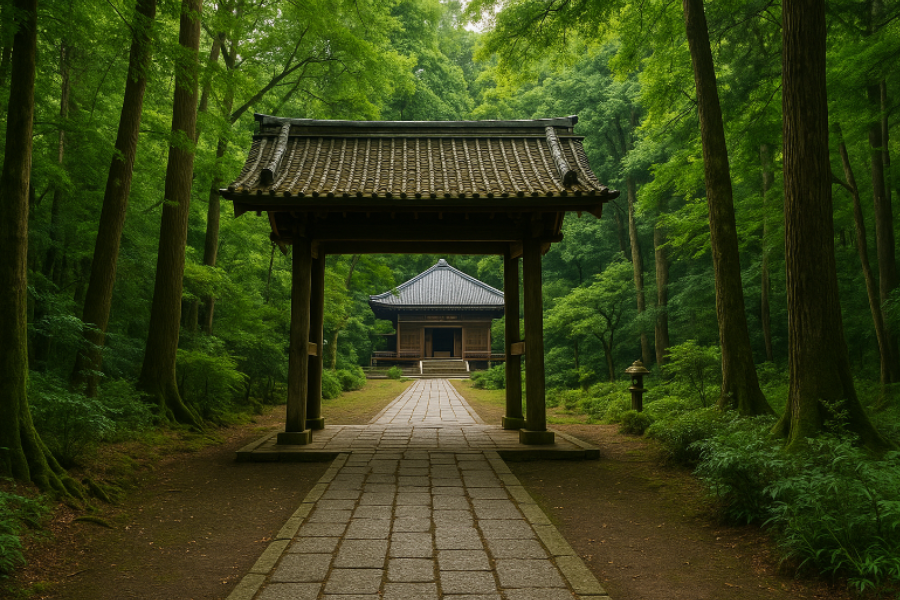
Passing through the main gate, you follow a stone-paved approach that leads straight to the main hall, quietly surrounded by tall trees. The current main hall was rebuilt in the Taisho period after a fire. It isn’t flashy, but its simple, modest appearance leaves a strong impression. Along the approach you’ll find a hall dedicated to daruma dolls, a shrine known for bringing good relationships, as well as ponds and small streams. As you stroll, the scenery changes bit by bit. Cherry blossoms in spring, fresh green leaves in early summer, autumn foliage, and the bare, silent trees of winter—each season brings a different charm to Jindaiji.
Savoring the Famous “Jindaiji Soba”
When people think of Jindaiji, they inevitably think of its famous “Jindaiji soba” noodles. This area is blessed with abundant spring water, and soba-making has flourished here since the Edo period. It’s said that clear water enhances the aroma and smooth texture of soba, and Jindaiji’s noodles have long been known as a local specialty. Many soba restaurants stand shoulder to shoulder around the temple gate, each with its own character. At the most popular spots, you can enjoy hand-made soba noodles prepared with stone-milled buckwheat flour. The noodles are thin yet firm, and are best savored with a sharp, flavorful dipping sauce. Some visitors pair their soba with tempura or wild vegetables, while others come specifically to try different soba restaurants—making the meal itself the main purpose of their visit.
Strolling the Temple Town and Nearby Spots
Beyond soba shops, the temple approach is lined with traditional tea houses selling kusa-mochi (mugwort rice cakes) and dango, Japanese confectionery stores, and souvenir shops. Just wandering around, snacking as you go and popping into any shop that catches your eye, makes for an enjoyable time. A short walk from Jindaiji brings you to the Jindai Botanical Gardens, where seasonal flowers such as roses, plums, and cherry blossoms bloom throughout the year. A day plan that combines a temple visit with a leisurely walk among the flowers in the gardens is highly recommended. If you have extra time, it’s also pleasant to wander around the streets of Chofu.
Access and Suggested Time
The easiest way to reach Jindaiji is by bus from the Keio Line stations “Chofu” (north exit) or “Tsutsujigaoka” (north exit). From Chofu Station, take the Keio Bus bound for “Jindaiji” (route Cho 34), and from Tsutsujigaoka Station, take the Keio Bus bound for “Jindaiji” (route Oka 21). Both buses stop close to the temple gate. There are also buses to Jindaiji from JR Chuo Line stations “Kichijoji” and “Mitaka,” so you can reach the temple from central Tokyo in roughly an hour. As for time, plan about two to three hours to visit the temple, stroll the approach, and enjoy soba at a relaxed pace. If you also visit Jindai Botanical Gardens, it’s best to set aside at least half a day—or even a full day—so you can take your time.
In Closing – A “Little Trip” You Can Take Within Tokyo
Although Jindaiji is only a short distance from Tokyo’s skyscraper districts, it feels like time moves more slowly here. Offering prayers at an ancient temple, walking along tree-lined paths, and tasting soba made with pure spring water—each of these moments becomes a small journey that lets you gently step away from everyday life. Even if you don’t have the time or energy for a big trip, Jindaiji is the kind of place you can visit on a whim when you feel like a change of scenery. On your next day off, why not seek out this “little faraway place” within Tokyo and spend a soothing day at Jindaiji Temple?